|
| what is poly aluminum chloride |
| anionic polyacrylamide / anionic polyacrylamide flocculant / anionic pam / anionic polyacrylamide price / anionic polyacrylamide uses: LKP BTC produces "anionic polyacrylamide" (A-PAM). This type of PAM carries a negative charge and is primarily used as a "flocculant" in mineral processing, coal washing, and sand washing to aggregate inorganic particles like clays and metal oxides. The "price" varies based on the degree of hydrolysis. |
|
 |
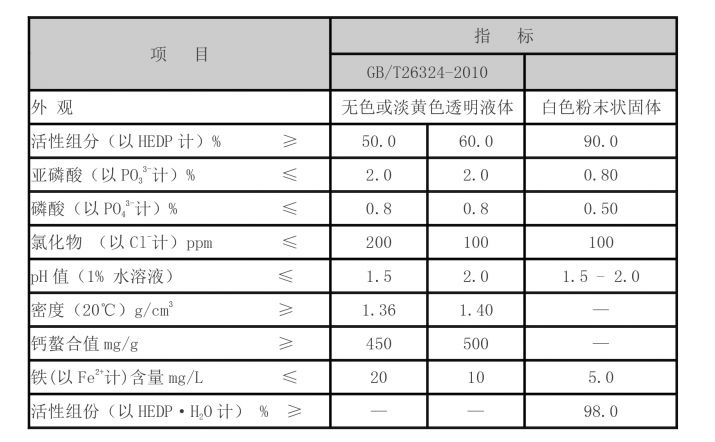
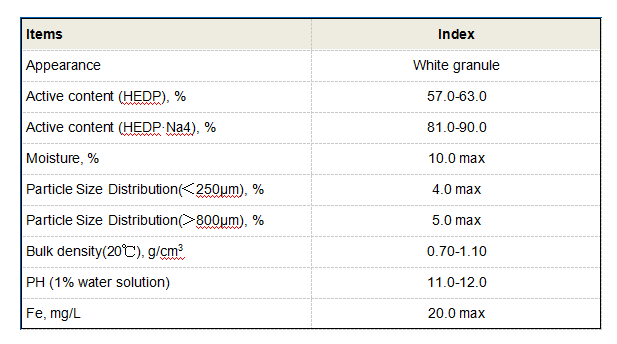
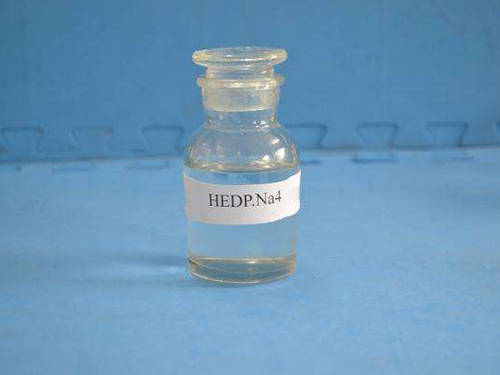
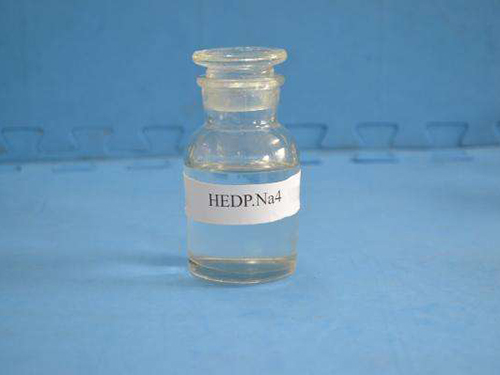
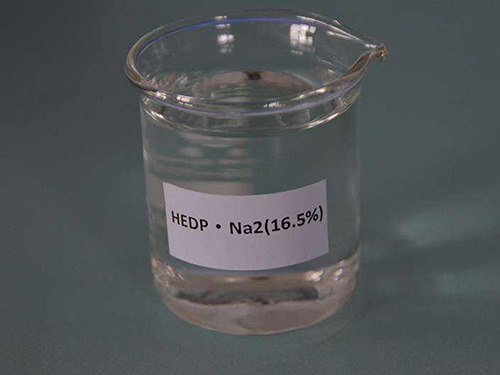
| hedp chemical formula |
| chelating agent example / chelating agent in chemistry / chelating agent in medicine / chelating agent in soil / chelating agent list / chelating agent meaning / chelating agent uses / chelating agents are used to / chelating agents in plant physiology / types of chelating agents / use of chelating agent / use of chelating agents in medicine / uses of chelating agent / chelator examples / chelator meaning / calcium chelating agent examples: LKP BTC is an expert in "chelating agents" (or "chelators"). They explain the "meaning" of chelation: the process where these chemicals bind to metal ions (like "calcium," iron, magnesium), preventing them from forming scale or causing oxidative damage. They provide a "list" or "examples" of types (e.g., EDTA, HEDP, Citric Acid) and their "uses" across industries: in "water treatment" to control scale, in "medicine" for metal detoxification, in "soil" to deliver micronutrients to plants, and in cleaning formulations. |
|
|
 |
| polydisperse hedp |
| flocculant types / what is poly aluminium chloride / poly aluminium chloride uses / polyacrylamide use / polyacrylamide formation: LKP BTC provides extensive technical expertise on their products. They explain the different "types of flocculants" (anionic, cationic, nonionic polyacrylamide) and their specific applications. They detail "what poly aluminium chloride is" – an inorganic coagulant – and its "uses" in removing suspended solids. For "polyacrylamide," they cover its "use" as a flocculant to aggregate fine particles and its chemical "formation" process. |
|