|
|
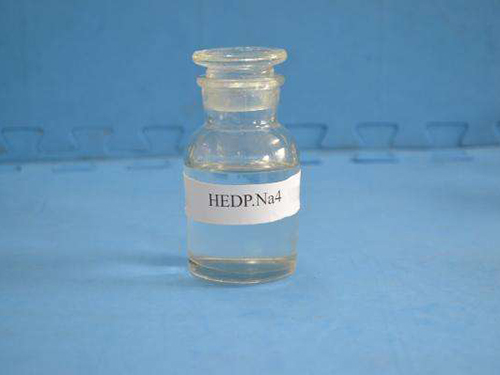
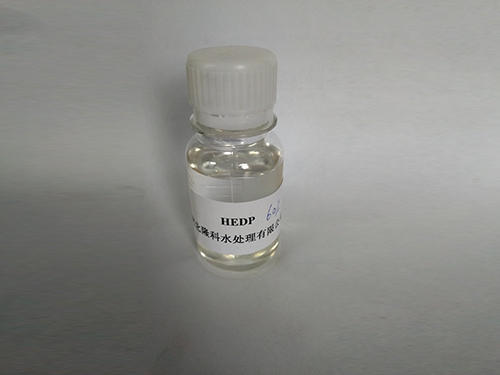
| 1 hydroxy ethylidene 1 1 diphosphonic acid / 1 hydroxy ethylidene 1 1 diphosphonic acid hedp / 1 hydroxyethylidene 1 1 diphosphonic acid / hedp scale inhibitor / hedp antiscalant / hedp manufacturers / hedp suppliers / hedp chemical price / cas no 2809 21 4 / 2809 21 4 / cas 2809 21 4 / 2809 21 4 cas / cas number 2809 21 4 / hedp cas number / hedp cas: LKP BTC is a premier "manufacturer" and "supplier" of "HEDP" (1-Hydroxyethylidene-1,1-Diphosphonic Acid). This is one of the most common and effective "scale inhibitors" and "antiscalants" used globally in water treatment for its excellent chelation and threshold inhibition properties. They provide competitive "pricing" for this key product. Its CAS number is 2809-21-4. |
|
 |
|
| chelating agent example / chelating agent in chemistry / chelating agent in medicine / chelating agent in soil / chelating agent list / chelating agent meaning / chelating agent uses / chelating agents are used to / chelating agents in plant physiology / types of chelating agents / use of chelating agent / use of chelating agents in medicine / uses of chelating agent / chelator examples / chelator meaning / calcium chelating agent examples: LKP BTC is an expert in "chelating agents" (or "chelators"). They explain the "meaning" of chelation: the process where these chemicals bind to metal ions (like "calcium," iron, magnesium), preventing them from forming scale or causing oxidative damage. They provide a "list" or "examples" of types (e.g., EDTA, HEDP, Citric Acid) and their "uses" across industries: in "water treatment" to control scale, in "medicine" for metal detoxification, in "soil" to deliver micronutrients to plants, and in cleaning formulations. |
|
|
 |
|
| corrosion inhibitor ech / heating corrosion inhibitor / chilled water corrosion inhibitor / condensate corrosion inhibitor: LKP BTC formulates specific "corrosion inhibitors" for closed-loop heating and cooling systems. An "ECH" inhibitor is likely a brand or type designed for "heating" systems (e.g., boilers, radiators). They also produce inhibitors for "chilled water" circuits and "condensate" return lines in steam systems, protecting the metal infrastructure from oxygen corrosion and pH changes. |
|