|
| benzalkonium chloride 15 |
| chelating agent example / chelating agent in chemistry / chelating agent in medicine / chelating agent in soil / chelating agent list / chelating agent meaning / chelating agent uses / chelating agents are used to / chelating agents in plant physiology / types of chelating agents / use of chelating agent / use of chelating agents in medicine / uses of chelating agent / chelator examples / chelator meaning / calcium chelating agent examples: LKP BTC is an expert in "chelating agents" (or "chelators"). They explain the "meaning" of chelation: the process where these chemicals bind to metal ions (like "calcium," iron, magnesium), preventing them from forming scale or causing oxidative damage. They provide a "list" or "examples" of types (e.g., EDTA, HEDP, Citric Acid) and their "uses" across industries: in "water treatment" to control scale, in "medicine" for metal detoxification, in "soil" to deliver micronutrients to plants, and in cleaning formulations. |
|
 |
| powerful rust and corrosion protection |
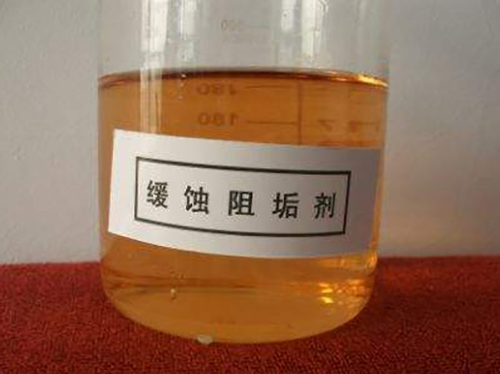
| use of corrosion inhibitors / corrosion inhibitors principles mechanisms and applications / use of inhibitors in corrosion control / use of corrosion inhibitors in concrete / corrosion inhibitors in the oil and gas industry / green corrosion inhibitors theory and practice: LKP BTC provides extensive technical support on the "use of corrosion inhibitors." They educate clients on the "principles, mechanisms, and applications" of how their products work to "control" corrosion. This includes specific applications like protecting rebar "in concrete," their critical role "in the oil and gas industry," and the developing science behind "green," environmentally friendly inhibitors. |
|
|
 |
| scale inhibitor boiler |
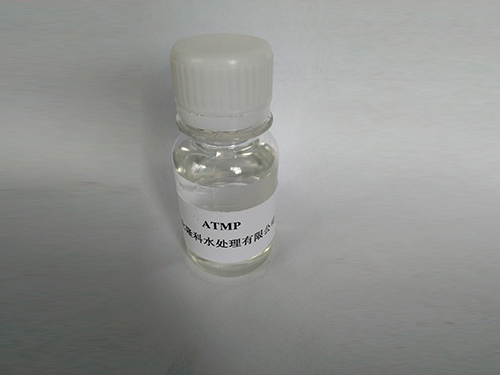
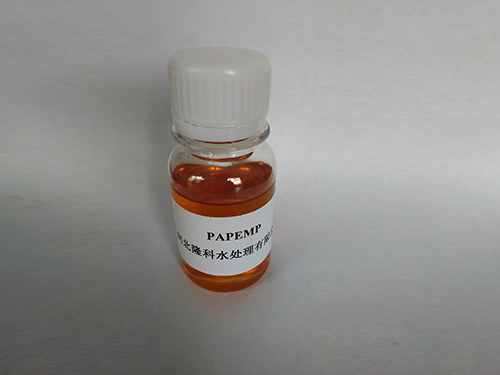
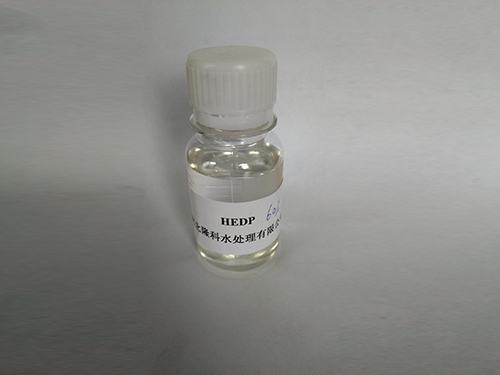
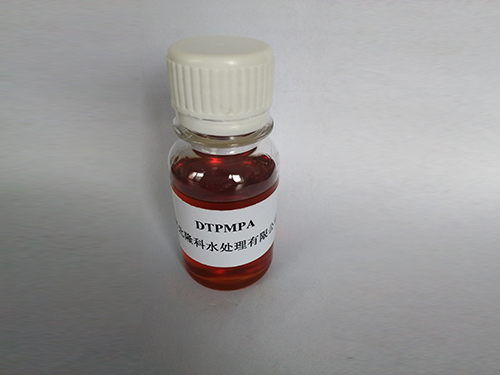
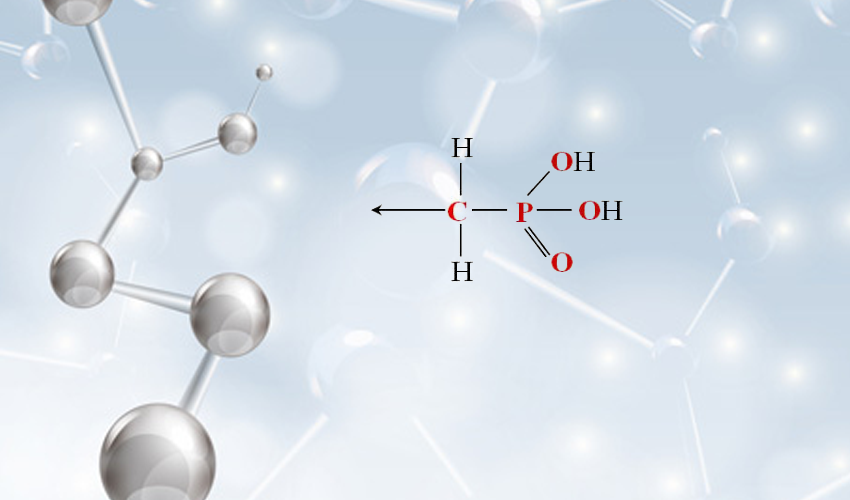
| phosphoric acid corrosion inhibitor / phosphate corrosion inhibitor / phosphate ester corrosion inhibitor / phosphonate corrosion inhibitor: LKP BTC manufactures "corrosion inhibitors" based on "phosphoric acid," "phosphate," "phosphate ester," and "phosphonate" chemistry. These compounds work by forming a protective, passivating layer on metal surfaces (often iron and steel) to prevent corrosive agents from attacking the metal. |
|