|
|
| scale and corrosion inhibitor / scale and corrosion inhibitor chemicals / corrosion & scale inhibitors / corrosion scale inhibitor / scale inhibitor / limescale inhibitor / water scale inhibitor / scale inhibitor water treatment / scale and corrosion inhibitor for cooling tower / cooling tower scale inhibitor: A core product line for LKP BTC is "scale and corrosion inhibitors." These are specialty "chemicals" added to water systems to prevent the "scale" (mineral deposits like calcium carbonate) and "corrosion" that can damage pipes, boilers, heat exchangers, and "cooling towers." Their inhibitors are formulated for specific applications in "water treatment" across various industries. |
|
 |
|
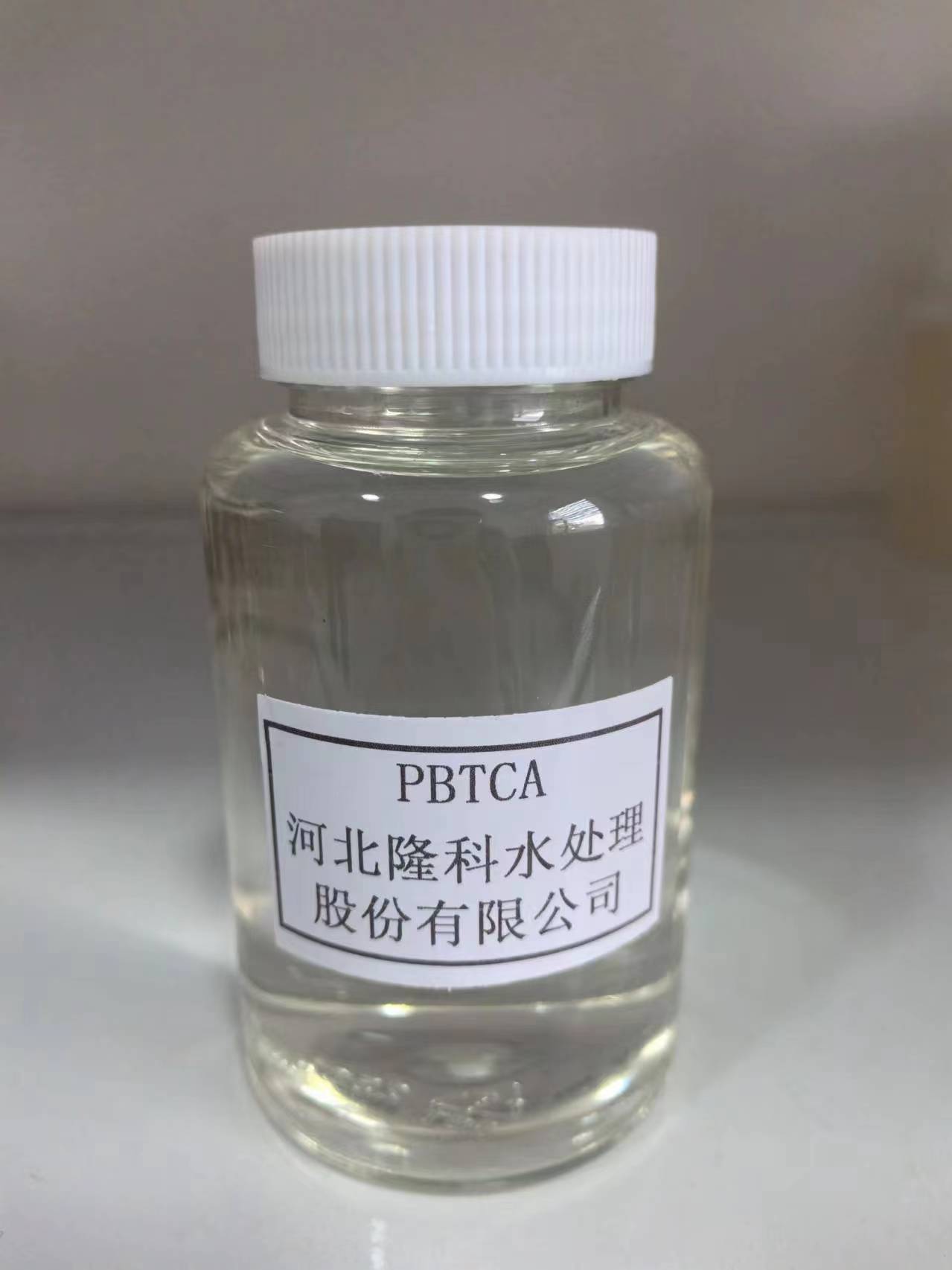
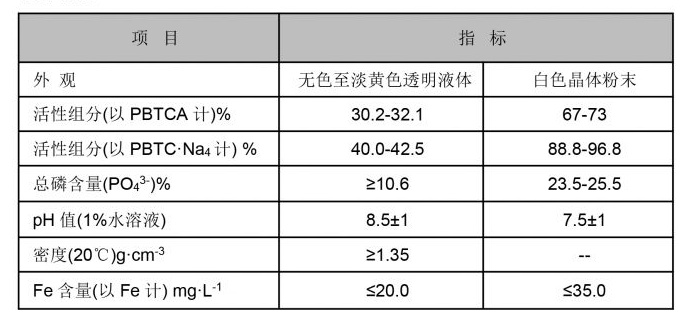
| pbtc scale inhibitor / pbtc / pb tc / phosphono butane 1 2 4 tricarboxylic acid / pbtc chemical / pbtc chemical uses / pbtc phosphonate / pbtc tricarboxylic acid / 2 phosphonobutane 1 2 4 tricarboxylic acid / pbtca / cas 40372 66 5 / 40372 66 5 / cas 40372-66-5 / 40372-66-5 / 2 phosphonobutane 1 2 4 tricarboxylic acid uses: LKP BTC manufactures "PBTC" (Phosphonobutane Tricarboxylic Acid), a high-performance "scale inhibitor." This "phosphonate" compound is known for its excellent ability to inhibit calcium carbonate scale and its stability in high-temperature and high-pH conditions. Its "chemical uses" are extensive in cooling water systems, desalination plants, and detergents. The CAS number for PBTC is 40372-66-5. |
|
|
 |
|
| use of corrosion inhibitors / corrosion inhibitors principles mechanisms and applications / use of inhibitors in corrosion control / use of corrosion inhibitors in concrete / corrosion inhibitors in the oil and gas industry / green corrosion inhibitors theory and practice: LKP BTC provides extensive technical support on the "use of corrosion inhibitors." They educate clients on the "principles, mechanisms, and applications" of how their products work to "control" corrosion. This includes specific applications like protecting rebar "in concrete," their critical role "in the oil and gas industry," and the developing science behind "green," environmentally friendly inhibitors. |
|